The Design Studio
The Mother-Daughter Duo Redefining Slow Fashion
By Marymartha Danczuk
Renowned for their signature one of a kind bomber jacket, The Design Studio have become a slow fashion brand that has demanded attention. Featured everywhere from Vogue to Elle Belgium, sales of the jackets in the past two years have spiked across Europe. “It quickly created a snowball effect. The hype was real!” Lettie Pattison says. The Design Studio came to life in 2015 when Lettie founded the business in their home studio in Hawarden, near Chester, along with her mother Sally Pattison. However, the seeds for the independent fashion company were sown years earlier.
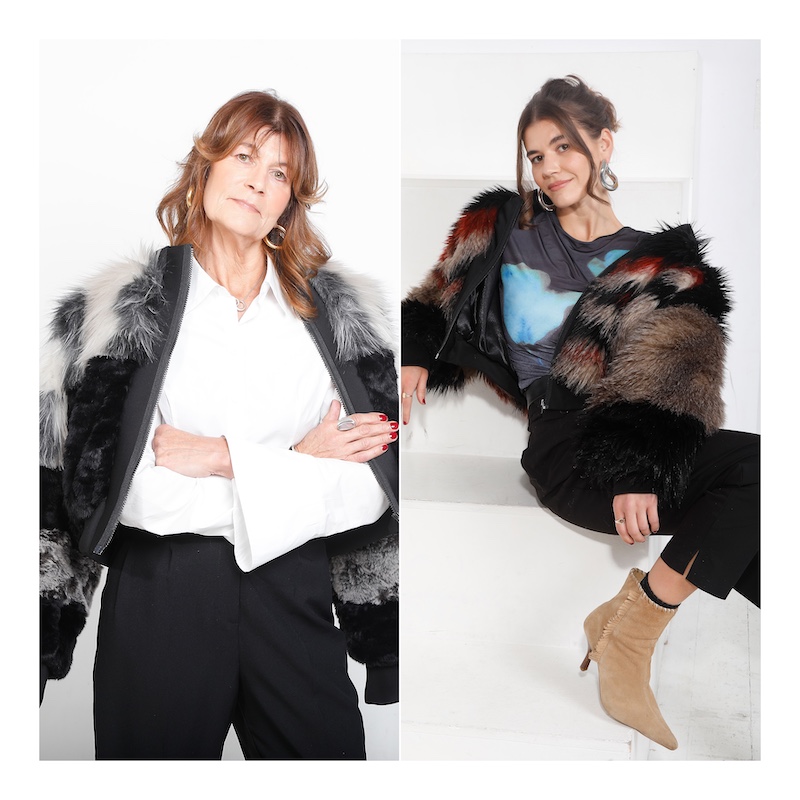
“Growing up with a fashion designer as a mum, I was lucky to have clothes made just for me,” Lettie reflects. “The high street never quite suited me, nothing felt personal, and the fit was always off.” That early experience led to her mother creating a jacket for Lettie made from recycled materials, a gesture that would later shape the brand’s ethos. “That feeling of being seen, empowered, was what inspired me to build something for others, too.”
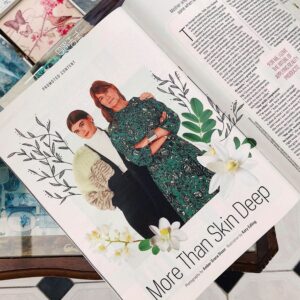
What emerged was The Design Studio: a small-batch, slow fashion label that honours heritage techniques while embracing a contemporary, conscious aesthetic. Working side –by side with her mother, a fashion lecturer and seasoned industry expert, the pair bridge generations of knowledge and individual sensibilities. “My mum is the foundation of our success. Her technical skill and calm wisdom keep everything grounded,” Lettie says. “It’s a true collaboration, her archive of books, my digital eye. We learn from each other constantly.”
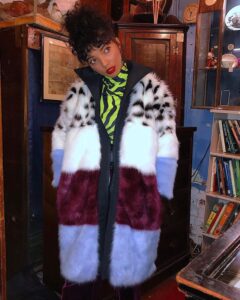
TDS first made its name with bomber jackets, a signature silhouette originally crafted by Lettie’s mum during her university days. “We’re known for that shape and style; it’s what put us on the map,” she says. While the brand has long embraced winter aesthetics, with faux fur as its most popular material, it has since evolved organically into lighter designs, introducing crochet and knit to its repertoire.
“We’re just known for beautiful one-of-a-kind jackets and people can come to us for one product and we’re really happy with that.”
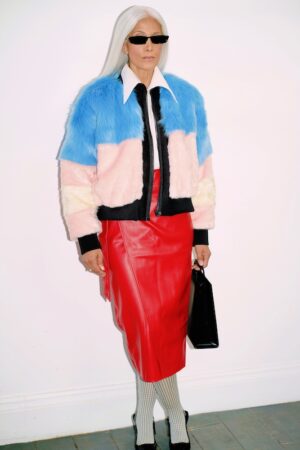
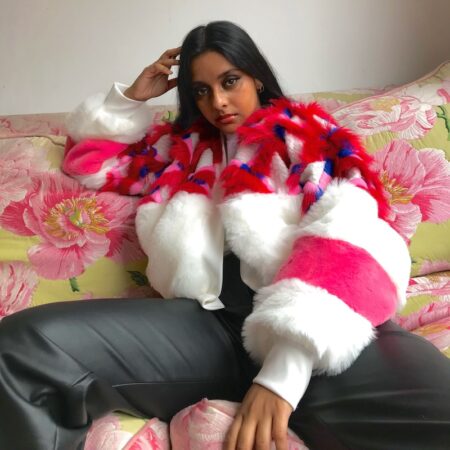
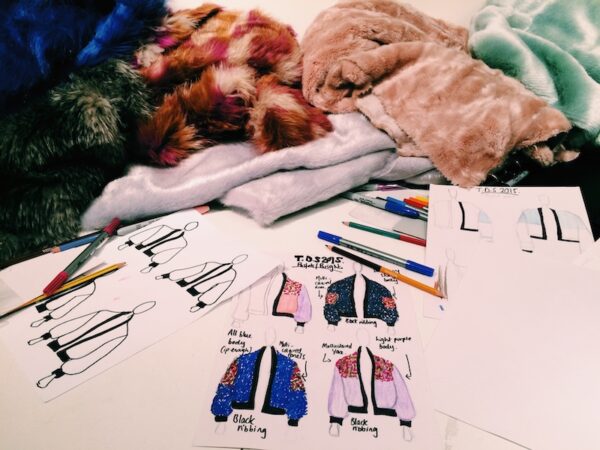
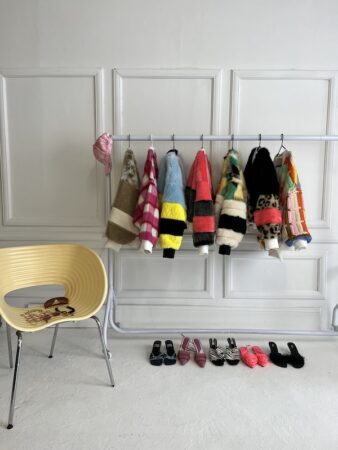
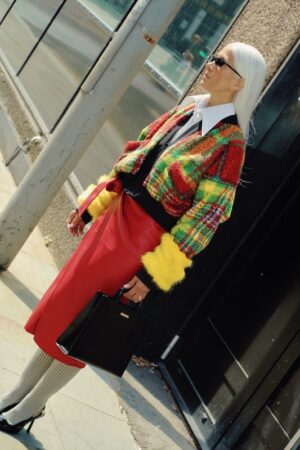
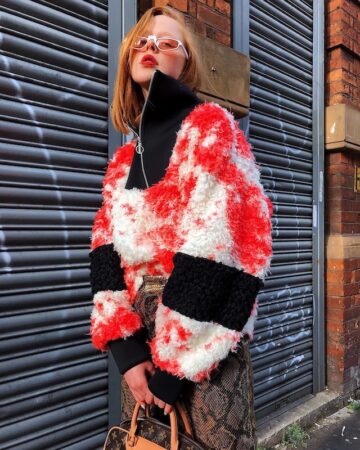
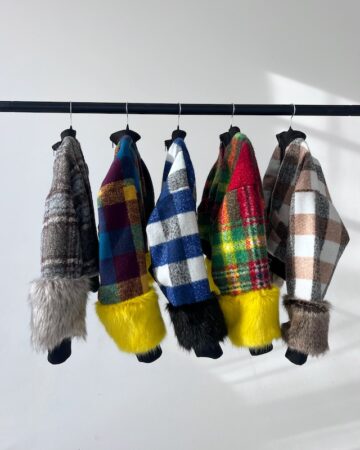

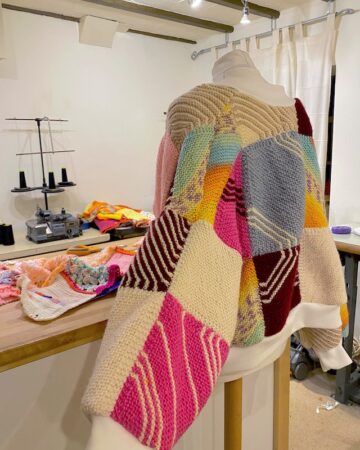
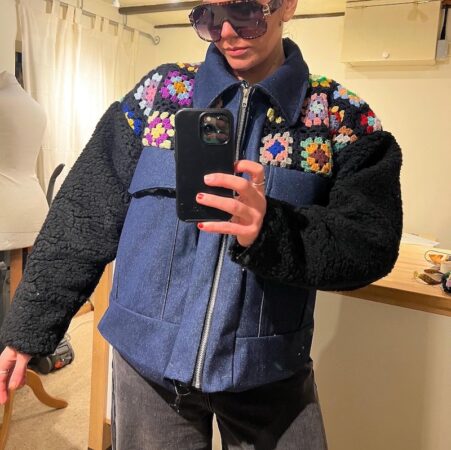
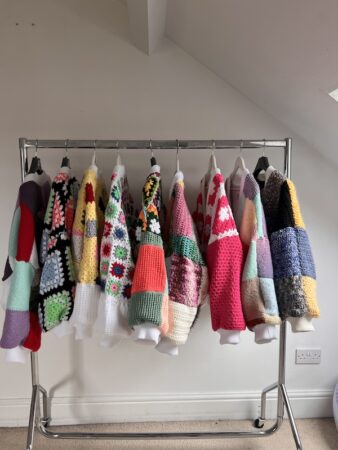
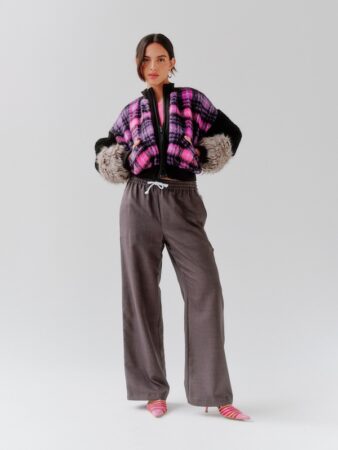
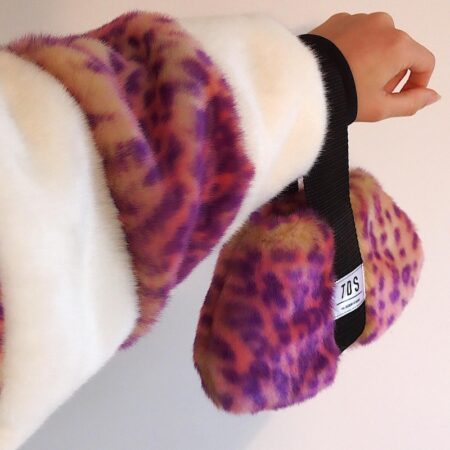
A turning point was marked by their most recent collaboration with Chester brand Bepo, a brand known for designing with recycled parachute designs. ‘’It was amazing, during Glastonbury festival season we were selling loads. We only did one-of-a-kind pieces, which made them really special. [We transformed] limited quantities of recycled parachutes into our signature bomber jackets., so yeah, really cool.”
The collaboration allowing them to explore lighter, more technical fabrics, still stayed true to their signature bomber silhouette. From the leftover materials, they created bags and accessories, extending the lifecycle of each piece. This organic expansion reflects their philosophy: “Any other product line will happen organically, like collaborations with Bepo or turning the offcuts into bags. We never want to jump onto a trend.”
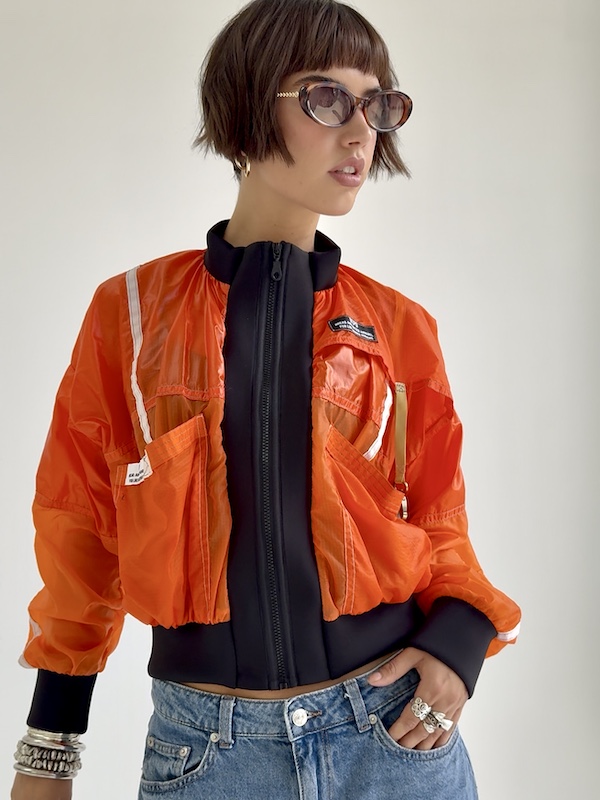
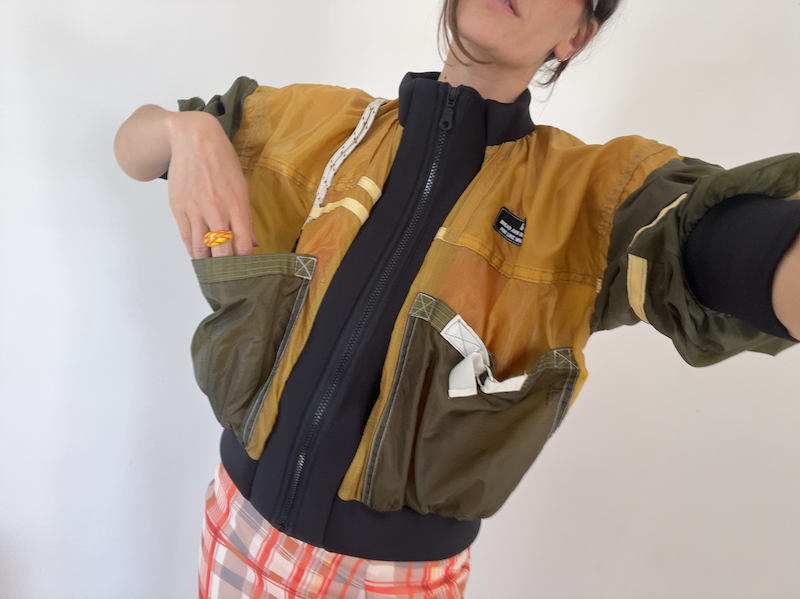
This ethos lies at the heart of the brand’s identity. In contrast, many fast-fashion labels thrive by turning a single hero item into a mass trend, rapidly expanding options to maximise consumer choice. Yet this growth formula stands in direct opposition to the principles of slow fashion.
Why should a popular item automatically lead to mass production? The answer, of course, is profit. But The Design Studio takes a different path. Instead of diversifying into endless silhouettes or product lines, they’ve built a distinctive model around their hero piece, using it as a creative canvas for collaborations and bespoke, one-of-a-kind designs that evolve with every partnership.
A Brand New Archetype
From the beginning, now spanning over a decade, sustainability was never a novelty for the brand, but a guiding principle. “We were sourcing deadstock long before it was industry buzz,” Lettie says. “Every piece is exclusive. We never mass-produce. Our customers aren’t just buying a jacket; they’re investing in something that was made to last.”
The brand’s archetype revolves around the principle of one item, one design, ensuring every piece is truly singular. Their approach to fabric sourcing is just as distinctive built on unpredictability and never repeating itself. This element of chance fuels the originality behind their creations. “We work with remnants and deadstock,” Lettie explains. “There’s never a large roll of material, so we can only make one or two pieces from each.”
With fabric partners in North Wales and beyond, Lettie stresses the importance of going to see each material in person to get a feel for it. A mill in Yorkshire has become a key partner, offering remnant-only materials that the team hand –selects. “With remnants, it’s a funny one because they are offcuts and deadstock material. In one sense, it makes it really fun to design with because we can piece together what will work and what will look really cool.”
Whilst deadstock is at the core of their model, as designers they are still drawn to the big fabric shows in Copenhagen and Paris to explore what is trending and what new innovations in material are shaping the industry. In this way, they balance their focus on sustainability with their awareness of new trends.
Designing for Spaces and People
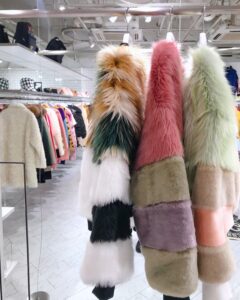
The Design Studio’s approach to retail is deeply considered. “We want to be more of a brand presence instead of just makers,” Lettie says. “We want to be in places where people are willing to pay £200, not £5 on a craft item.” With their pieces having been stocked in Belgium and Japanese concept stores alike, Lettie explains how this type of presence and partnership meant these stores did not need to commit to massive orders and so the brand could deliver one-of-a-kind pieces, adhering to their brand ethos.
While they’ve been busy exploring international growth, the Design Studio still focuses on collaboration closer to home. Most recently, they’ve worked with Butcher’s, a sustainable hair boutique in Chester. “They’re very eco-friendly, and their interior is beautiful—wooden panels, green plants. We gave them a rail of soft neutral-toned jackets that fit their vibe perfectly.”
“We have honest, personal conversations with the people we work with,” Lettie explains. “They tell us what colours or shapes they’re looking for, and we listen. It’s never about hard selling; it’s about creating something that feels right for them.” By treating these partners as co-authors, the brand’s bespoke model turns the design process into a collaborative experience, inviting the community to shape each piece.
“Buying a one-off piece is quite a big commitment. It says something about their personal style – they’re one of one, just like them.”
Customers often visit the studio, spending a day or two selecting fabrics and co-designing their garments. “We absolutely offer a bespoke made-to-order service,” Lettie says. “Our designs do need to be felt in person and tried on. That’s part of the process with having a small brand.” This relational approach has cultivated a loyal customer base. While Lettie states that they appeal to women of all ages, she thinks they have particular appeal for women who want tailored pieces — often more structured or longer garments.
Scaling with Intention
In today’s hyper-digital age, The Design Studio is embracing real-life encounters as the foundation of their scaling strategy. “We primarily sell online, but this year we’re focusing on pop-ups,” Lettie says. “There’s something magical about customers trying on a piece, feeling the texture, meeting the maker. It builds loyalty you can’t replicate online.”
While many brands chase growth, TDS scales with care. “Selfridges really wanted to stock us, but they wanted 200 of the same and we were like, we don’t do that.” Instead, they focus on pop-ups and real-life encounters. “There’s something magical about customers trying on a piece, feeling the texture, meeting the maker. It builds loyalty you can’t replicate online.”
In a landscape dominated by commercialism and turnover, The Design Studio proves that intentional growth can be both viable and powerful. Their made-to-order model, often seen as resistant to scaling, is instead built for longevity. Lettie tells me she receives messages from customers saying they’ve had one of their jackets since 2015 remarking on how well made they are. She claims people buy a jacket and they last for a lifetime.
“It’s never about hard selling; it’s about making something that feels right for the customer, we’ve grown steadily by staying focused on quality over quantity and staying true to our values.”
This relational approach extends naturally into their community engagement. “Supporting our local community is at the heart of our brand,” Lettie says. Based in North Wales and the Northwest, the brand draws vitality from its regional context, a slower pace of life that aligns with their commitment to slow fashion. “Living and working in this area fosters a strong sense of community. There’s a unique support system here, where people genuinely celebrate and uplift each other.”
With the creative direction for the brand deeply rooted in place, with locations across Manchester, Liverpool, Chester, and the Northwest featured prominently in their imagery, Lettie talks about the importance of community and space, highlighting the importance of local environments and values that have shaped their identity.
The Future for TDS
The Design Studio’s strength lies in their unique approach, which challenges the assumption that fashion brands must choose between profit and purpose, instead showing how the two can support each other. In an industry that too often rewards haste and replicability, their power lies not only in what they challenge, but in what they’ve built: a brand that redefines what it means to grow, connect, and create. “The industry is evolving,” Lettie says. “Now it’s possible for passionate, independent designers to carve out their own space and make a real impact.”
With physical expansion on the horizon, and the brand looking to collaborate with other brands and pop- up in more spaces around the region. Lettie is now thinking about the future. “One day our business model might have to change. We might have to get more makers in.” And with their strong connection to educational institutes around the region, Lettie reflects that she would love to collaborate with students who are creating the new:, “I’d love to bring on young designers to the brand one day. They’re the future of fashion.”