Future proofing the world through Fashion, with Manchester Fashion Movement
With Manchester Fashion Movement
By Molly Granger and Liam Wilson
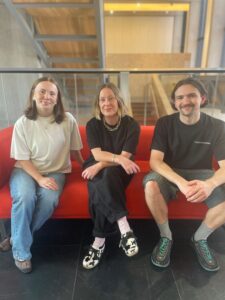
Sustainability is a word that often feels overwhelming. When there’s a whole range of other problems in the world, it can be difficult to see how we can make any real impact. In fashion, the term is often ambiguous, leaving many lost in a sea of confusion. But here in Manchester, Alison Carlin is driving a refreshingly human approach.
Manchester Fashion Movement (MFM), co-founded by Alison in 2019, is more than just a sustainable fashion platform, it’s a community-driven movement. Built to amplify local talent, educate people on sustainable fashion practices, and challenge the fast fashion system, MFM does all this through creativity, collaboration, and culture. You might ask yourself the question: how?
It’s not easy to sum up Manchester Fashion Movement, in a single elevator pitch. Still, Alison describes it as “a movement to generate a new vision on how a sustainable network and society can take shape.”
At its core, the movement is about activating spaces across the city to spark conversation around our relationship with fashion. These citywide activations range from sustainable fashion parties featuring panel talks, brand stalls, spoken word and fashion shows, to taking over empty retail spaces, transforming them into vibrant community hubs that showcase small, design-led local brands.
With MFM integrating into local communities and beyond, running creative workshops in schools and corporate spaces to encourage time and space for people to explore their fashion behaviours. Whatever the format, what’s always at the heart of MFM is igniting conversation and doing it through fun.
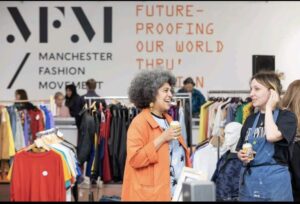
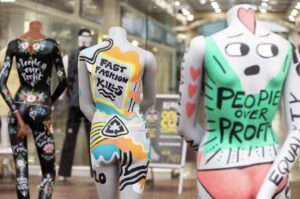
Beyond the Billboard
The idea for MFM sparked during a moment of reflection. During our conversation Alison recalls sitting at the traffic lights near Old Trafford, looking up at a giant fast fashion billboard, and thinking “Wow, the people I know, local designers, creatives, artists, will never get that kind of visibility.”
In that one moment, she decided to create a platform that would celebrate Manchester’s independent creatives which were being drowned out by mass consumption and trend-driven algorithms. “I was on my own and thought, I’m just going to do an event. I wanted to champion all these amazing people around me who were making things with heart and purpose.”
So, with no funding and only seven weeks to make it happen, Alison spent her evenings and weekends meeting with local creatives, artists, and designers, convincing them to be part of something they didn’t fully understand yet. “I think people said yes because they didn’t really know what they were saying yes to. But there was a hunger for something different, something that felt real.” From that, what began as a one-off event quickly evolved into something much bigger, a growing community that blended fashion, art, and activism.
The first event, a sustainable fashion party at Five Four Studios in Manchester, set the tone for everything that followed. Part fashion show, part art installation, part dance floor, it was a sell-out success. “We could have sold double the number of tickets had we had a bigger space,” says Carlin.
Occupying Space, Shaping Minds
Alison’s approach to building MFM is rooted in her background in the arts. With a degree in Media Performance from Salford University, her creative practice infuses the project. From curating immersive experiences to devising conceptual installations, she views fashion as a lens through which deeper stories about sustainability, identity, and community can be told.
MFM events aren’t just confined to traditional runways or lecture halls, they thrive in unexpected, often repurposed spaces that invite people to think differently. From empty retail units in Stretford and Salford to pop-up takeovers in Deansgate, MFM has turned the city into a stage. But these creative settings aren’t just for show. Beneath the music, installations, and fashion showcases lies a clear mission: to reconnect people with the reality of where their clothes come from, and the social and environmental cost behind them.
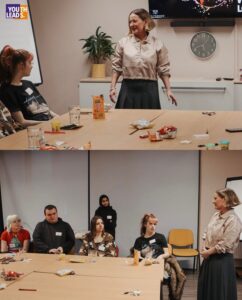
Through panel talks and interactive events held in these spaces, platforms are created for local slow fashion brands to share how their brands operate within microenvironments to challenge the fashion system from the ground up. By creating spaces for open dialogue, these events often reveal that it’s not just individual efforts, but the collective strength of slow fashion networks within communities that drives real disruption. It’s through their thoughtful approaches to making, selling, and storytelling that real change begins.
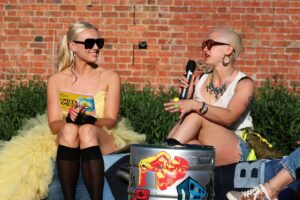
“Essentially, we’re trying to change people’s behaviours,” Alison explains. “And that’s what I’m trying to do in a way that people can engage in, whether that’s having a nice time, going to a party, or going to art exhibitions. It’s about programming different events and creative ways to get to people, it’s about creating environments where people can feel something,” Alison says.
This emotion is often evoked through music and poetry. At each event, Alison collaborates with a spoken word artist to craft a poem that captures the essence of the message. She also reaches out to local DJs, working closely with each artist to curate a musical journey designed to ignite all the senses. “We want people to walk away thinking not just ‘that was fun,’ but ‘that made me feel differently about the world.’”
Pushing Boundaries
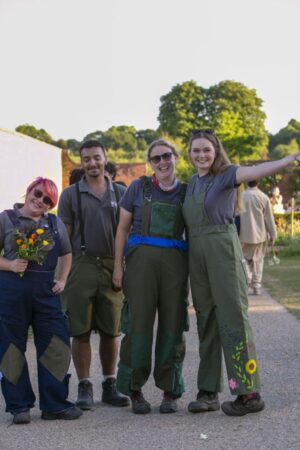
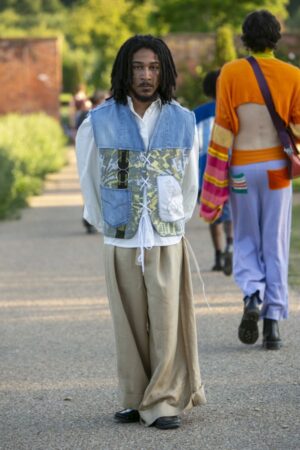
From there, the movement has continued to push boundaries. For two years in a row, they have delivered an event called Horticultured at RHS Bridgewater, a fashion showcase set in the heart of the gardens in Salford. Visitors explored interactive vox pops where they shared personal clothing stories, browsed pop-up kiosks featuring local slow fashion brands, and joined a thought-provoking panel talk nestled among the incredible gardens. It was a true example of MFM’s ability to open up the conversation, using space, nature, and sensory experience to connect with new audiences and encourage reflection around how we engage with fashion.
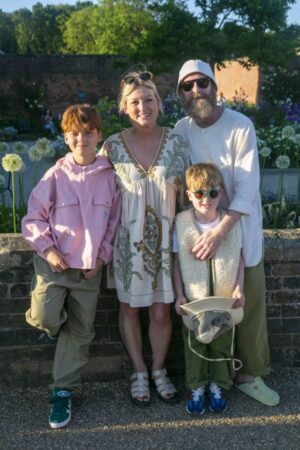
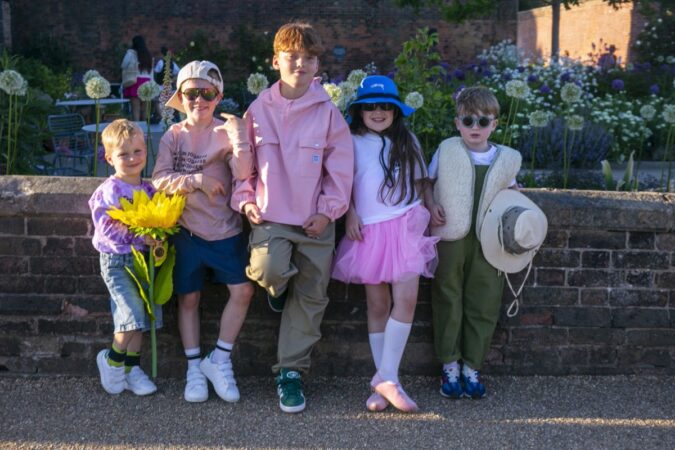
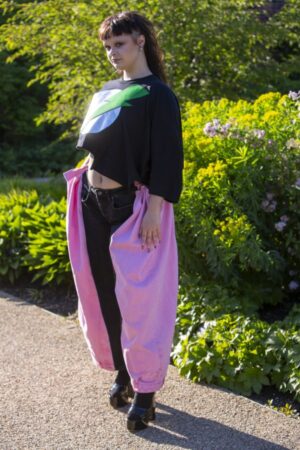
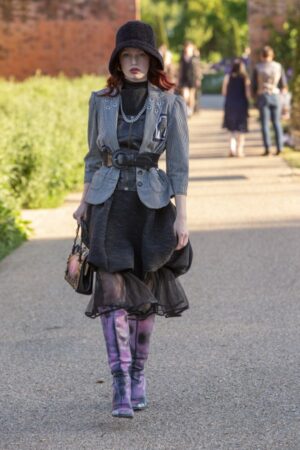
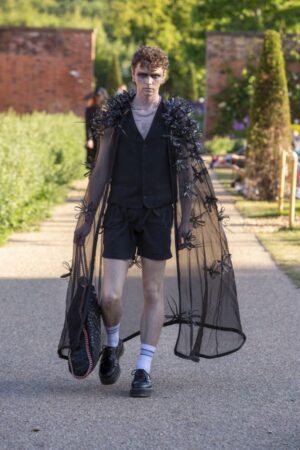
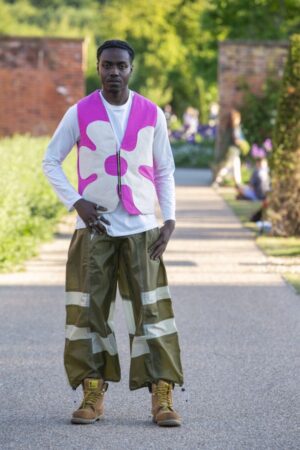

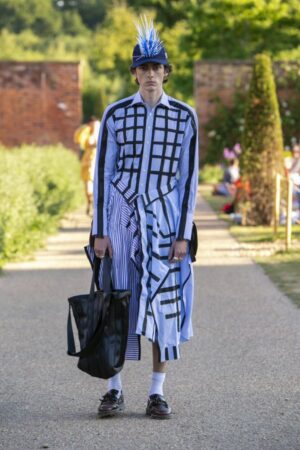
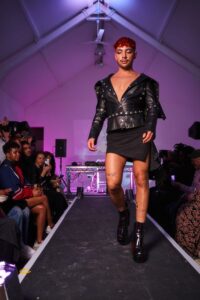
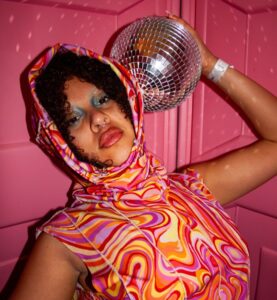
Shifting from open-air landscapes to the charged atmosphere of Manchester’s club scene, has seen Alison continue to experiment with how fashion is experienced and communicated through a different lens. Last year saw MFM partner with Manchester eponymous HOMOBLOC club night, to create a fashion show staged in a club, exploring themes of collective experience, sexuality and identity through dress.
The ‘Club to Catwalk,’ project engaged Manchester Fashion Insitute students through the Rise programme as videographers and photographers, interviewing partygoers, to capture documentative images and quotes that explore identity and the preciousness of clothing pieces and the meaning they carry through the years.
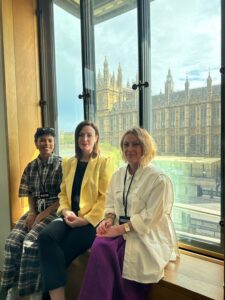
Spend just ten minutes with Alison, and you’ll be convinced of her vision before she even finishes speaking. MFM isn’t just thinking big, it’s acting big. From inspiring individuals like you and me to shaping national policy, the organisation has already earned a seat at Westminster, contributing to conversations about the future of our high streets and advocating for sector support through funding and initiatives.
The recent event was a landmark moment, bringing together changemakers from across the UK to share bold ideas for reimagining high street environments and public spaces, a powerful demonstration of what collaboration can achieve.
Soft Activism, Strong Impact
Ultimately, Manchester Fashion Movements strength lies in its subtlety, believing in meeting people where they are, using events as a vehicle for subtle transformation. Carlin calls it “soft activism,” using art, music, and creativity as the entry point to deeper conversations around sustainability and ethics in fashion. “You don’t go in thinking, ‘I’m about to get lectured about what I’m buying.’ It’s more like… you don’t notice it’s happening.” “It was a conscious decision from the start,” Alison reflects. “It felt more aligned with us as people. We wanted to do it through the arts, through creativity, a softer approach.”
“We would definitely say everything we do is through the arts, creativeness… soft activism.”
That subtle way of engaging people is a clever way to get people to naturally think about their choices. “I guess it’s about learning who you really are.” When social media and corporations often dictate what becomes popular more than ever, there’s a lot of sameness, and there’s confidence to be gained knowing that your choices reflect you and that you’re spending your money in the right place. In Carlins words: “If you have a better relationship with clothes then you’re just going to be naturally more uplifted anyway. When so much feels out of your control, sometimes what you wear and who you spend your money with has a big influence.”
At a time when many independent creatives and retailers are in a rocky position, this becomes increasingly important. “If you spend your money, your hard-earned cash, with an independent, you’re supporting that, aren’t you? And they can grow, and the argument that we need more of that is amplified.” Alison’s approach is rooted in celebration of people. “I’m a firm believer that every encounter, even if they don’t seem like your kind of person or whatever, can always lead to something.”
As the initiative continues to grow, its impact is becoming harder to ignore. What started as a one-woman effort now pulses at the heart of Manchester’s creative community, offering an alternative to the disposable culture of fast fashion. Looking ahead, Alison hopes it can serve as a blueprint for other cities, a testament to what can happen when you centre people and purpose over profit. “We’re not here to shame anyone into change,” she says. “We’re here to show that another way is possible, and that it can be joyful, inclusive, and human.”